Category: Loan

  • Navigating Personal Loans: Best Practices for Indian Consumers

    The festive season in India is always full of excitement, from Diwali celebrations to year-end holidays. It’s the time when families come together, gifts are exchanged, and travel plans are made. However, it can also be the time when spending goes a little overboard. If you’re thinking of taking a personal loan to cover some of these holiday expenses, it’s important to do so responsibly. Here are some tips to help you navigate personal loans during the holiday season without falling into financial trouble.

    1. What is a Personal Loan?

    A personal loan is a type of loan that doesn’t require any collateral (like your house or car) and can be used for various personal expenses. It’s usually unsecured, meaning it doesn’t need any property or asset as security. Many people take personal loans during the holiday season for expenses like:

    • Travel – Planning a family vacation or a getaway?
    • Gifts – Want to buy gifts for loved ones but don’t have the cash upfront?
    • Home Improvements – Maybe you want to spruce up your house for the festive season.

    2. Evaluate Your Finances Before Borrowing

    Before taking a loan, it’s important to take a good look at your finances. Ask yourself these questions:

    • How much do I earn each month?
    • What are my regular expenses?
    • Do I already have any outstanding loans or debts?

    For example, if your monthly income is ₹40,000, and you have existing expenses like rent, bills, and daily costs amounting to ₹25,000, it’s important to be sure that you can comfortably repay a loan on top of these expenses. If you’re planning to borrow ₹1 lakh, for instance, make sure you can manage the EMI (monthly repayment) without putting too much strain on your finances.

    3. Shop Around for the Best Loan Deal

    Not all personal loans are the same! Different banks and lenders offer different interest rates, processing fees, and loan terms. It’s essential to compare these terms before deciding where to borrow from. For example:

    • Interest Rates – Some lenders might offer a loan at 12% per year, while others might charge 15%. Even a small difference in interest can add up over time.
    • Processing Fees – Some lenders charge a processing fee of 2%, while others might charge more or less. Make sure you calculate this cost as well.
    • Loan Terms – Check the repayment period. A longer tenure means smaller EMIs, but it also means you’ll end up paying more in interest.

    It’s like shopping for the best deal in a sale – always compare before making your decision!

    4. Don’t Borrow More Than You Need

    It’s easy to get carried away during the festive season and borrow more than you actually need. You might be tempted to borrow extra money for additional gifts, travel upgrades, or to throw a bigger party. But remember, you’ll have to pay back that extra amount later.

    For example, if you’re taking a loan of ₹50,000 for a vacation but end up borrowing ₹80,000 to cover “extra expenses,” you might face trouble repaying the larger sum when the holidays are over.

    Stick to what you actually need to make your holidays enjoyable without overburdening yourself with debt.

    5. Understand All Loan Terms

    Before signing anything, read the fine print. Know exactly what you’re agreeing to. Some important things to check:

    • Prepayment Penalties – Some loans come with a penalty if you want to pay off the loan earlier than planned.
    • Late Payment Fees – Missing an EMI can lead to hefty late fees.
    • EMI Amount – Ensure the EMI is manageable within your monthly budget.

    For example, if your EMI for a ₹1 lakh loan is ₹5,000, make sure you can still cover all your other expenses comfortably. The last thing you want is to miss an EMI and end up paying more due to penalties.

    6. Make a Repayment Plan

    Once you have taken the loan, it’s time to make a plan for repaying it. Ensure that the EMI fits well within your monthly budget. You can even set up an automatic payment from your bank account to make sure you never miss a payment.

    For example, if your loan EMI is ₹6,000 and your income is ₹35,000, try to make sure that you don’t spend too much on non-essential items so that you have enough left to pay the EMI without any stress.

    7. What If You Can’t Repay the Loan on Time?

    If, for any reason, you face trouble repaying the loan, it’s crucial to contact your lender immediately. Many lenders are willing to restructure the loan or offer a temporary break if you explain your situation. However, if you ignore the problem, it could damage your credit score and make it harder to get loans in the future.

    For example, if you lose your job or face a medical emergency, it’s better to talk to the bank and negotiate a solution instead of missing payments.

    8. Check Your Credit Score Before Applying

    Your credit score plays an important role in getting a personal loan. A higher credit score (typically 750 or above) can get you a loan with better terms, like lower interest rates. If your credit score is lower, you might get a higher interest rate or even be denied the loan.

    To improve your credit score, make sure you pay your bills on time and try to reduce any existing debt before applying for a new loan.

    9. Consider Alternatives to Personal Loans

    Sometimes, a personal loan might not be the best option. If you don’t want to take on a long-term debt, consider alternatives like:

    • Credit Cards – If your expenses are smaller and you can repay the amount quickly, using a credit card can be a good choice.
    • Loans from Family or Friends – If you have someone who can lend you money, this can be a cheaper alternative, as it may come with little or no interest.

    But remember, borrowing from family or friends can sometimes strain relationships, so be sure to approach this carefully.

    Conclusion

    The holiday season should be a time of joy, not stress over finances. Personal loans can help you enjoy the festivities, but only if you borrow responsibly. By understanding your financial situation, comparing loan options, and keeping your spending in check, you can have a stress-free holiday without regretting your borrowing decisions later.

    So, plan wisely, borrow what you need, and enjoy the holidays without financial worry!

  • Peer-to-Peer Lending: A New Way to Invest and Borrow 

    Peer-to-peer (P2P) lending is changing how people invest and borrow money. In India, this innovative approach is gaining popularity as it connects individual investors directly with borrowers. In this blog, we’ll explore what P2P lending is, how it works, and why it can be beneficial for both investors and borrowers.

    1. Understanding Peer-to-Peer Lending

    P2P lending is a method where individuals lend money to each other through online platforms. Instead of going to a bank, a person can borrow money from an investor looking for a return on their investment.

    For example, if you need a personal loan for a wedding, you can apply on a P2P platform. Investors who want to earn interest can fund your loan. This model eliminates the bank as the middleman, making the process faster and often cheaper.

    2. The Rise of P2P Lending in India

    P2P lending started gaining traction in India around 2016. Platforms like Faircent and LenDenClub began connecting borrowers and investors. These platforms have grown rapidly, offering a convenient way for people to access loans without the long paperwork typical of banks.

    One significant development was when the Reserve Bank of India (RBI) introduced regulations for P2P lending in 2017. This gave the sector more credibility and protected both borrowers and investors.

    3. Benefits for Investors

    For investors, P2P lending can offer attractive returns. Here’s how:

    • Higher Returns: Compared to traditional savings accounts or fixed deposits, P2P lending often provides much higher interest rates. Investors can earn between 10% to 20% annually, depending on the risk involved.
    • Diversification: Investors can spread their money across multiple loans. For instance, instead of putting all your money into one loan, you can fund ten loans of smaller amounts. This reduces the risk if one borrower defaults.
    • Easy to Get Started: Platforms like Faircent allow you to start investing with as little as ₹5,000. You can choose the loans you want to fund based on risk profiles and returns.

    4. Advantages for Borrowers

    Borrowers also benefit from P2P lending in several ways:

    • Quick Access to Credit: The application process is usually much faster than with banks. For example, a young entrepreneur in India might need funds to start a small business. With P2P lending, they can receive funds in a few days rather than weeks.
    • Lower Interest Rates: Many borrowers find lower rates on P2P platforms compared to banks, making loans more affordable.
    • Flexible Repayment: P2P platforms often offer more flexible repayment plans. Borrowers can choose a schedule that suits their income flow.

    5. Risks and Challenges

    While P2P lending has its benefits, it’s essential to be aware of the risks:

    • Credit Risk: There’s always a chance that a borrower may default on their loan. Investors should carefully assess borrowers’ profiles before lending.
    • Platform Security: It’s crucial to choose reputable P2P platforms that have strong security measures in place.
    • Market Volatility: Economic changes can affect borrowers’ ability to repay loans, impacting investors’ returns.

    6. Future of P2P Lending in India

    The future of P2P lending in India looks promising. Technological advancements, like artificial intelligence, can help assess borrowers’ creditworthiness more accurately.

    Furthermore, as more people become aware of P2P lending, the market is expected to grow. With government support and regulatory backing, P2P lending could become a significant part of India’s financial ecosystem.

    7. Conclusion

    Peer-to-peer lending offers a fresh approach for both investors and borrowers in India. With the potential for attractive returns and easier access to credit, it’s worth considering if you’re looking to invest or need a loan. As always, do your research and evaluate the risks before jumping in.

    By embracing P2P lending, you might just find a new way to meet your financial goals!

  • Tips to Increase Your Home Loan Eligibility

    Tips to Increase Your Home Loan Eligibility

    Have you ever wanted to buy an iPhone as easily as groceries? Now, compare that iPhone to a huge financial investment like a house, or better yet, a ‘dream home’. Didn’t the amount multiply significantly? 

    After you’ve decided which iPhone model you want, the next step would be whether you can spend a huge amount in a go to purchase it. 

    The concept of Equated Monthly Instalment (EMI) helps you divide a big expense into tiny expenses over a specific period.

    Similarly, there’s a crucial step after you’ve decided on the “model” of your dream home. It is the step that takes you closer to owning your dream home – The Home Loan

    A house is a huge financial investment. To fulfill your dream to buy a home, the loan is, in most cases, an unavoidable step. The EMIs that you pay for the house, are mini-installments to pay back the lump sum home loan amount.

    We want to ensure that you don’t choose a home loan that might look great at first but later becomes heavy on the wallet. Here comes the home loan eligibility criteria that play a key role in determining your home loan EMI. 

    Let’s see how. 

    What is Home Loan Eligibility? 

    Simply put, it is the criteria that the lender considers ensuring you pay back the lump sum amount on time.  

    For example, you’re buying a high-end car and paying a monthly EMI for approximately six months. This amount was arrived at with the help of a car loan EMI calculator.

    But, to get your dream home, you’d have to pay this Home Loan EMI for a maximum tenure of almost thirty years. 

    Even the lowest tenure of a home loan goes on for five years. It’s precisely why calculating your home loan eligibility criteria is crucial. 

    Because the more eligible you are, the lesser the interest you have to pay. Remember, the home loan tenure includes many years even after you’re living in your dream home. The home loan eligibility calculator is technical in approach and considers numerical data. But, the home loan eligibility criteria are more tangible points that can help you get a lesser home loan EMI. 

    Home loan eligibility

    What are these factors that determine your Home Loan Eligibility Criteria

    Your current age

    The younger you are, the more likely you are to clear your loan with the interest on time. Why is that? Well, simple logic. The younger you are, the farther you are away from retirement. 

    This makes you and your partner more eligible to pay off the home loan on time. The same logic stands true for an individual who is closer to retirement and pays a bigger Home EMI plus interest on the home loan. 

    Your financial stability

    Like how every one of you wishes to have the home of your dreams, each borrower who goes to the lender has a different financial situation. 

    These financial institutions are extra careful to ensure that they get the borrower returns this lump sum home loan amount on time. They consider various factors like age, annual income, stability of income, etc. to get a clear understanding. This is one of the numerical factors, like monthly income, that is a key factor in calculating your home loan EMI. 

    Your credit history and scores 

    Do you recollect how back in college, your assignments would get fewer marks if you submitted them after the deadline? 

    Your credit score is literally the “marks” you get for paying back your debt on time. The more time you take to ‘submit’ your debt amount, the less credit score you get. 

    Credit history is how diligently you submitted all your previous debt “assignments”. No borrower wants to take the risk of giving a huge home loan at an affordable home loan EMI rate when you score well only in one exam!

    If you have any existing financial liabilities 

    Liability in simple terms is an existing financial burden. For example, a car loan EMI that you’d have to pay along with your home loan EMI. 

    Clearly, if there’s already a big payment you’re making, the Home Loan EMI is bound to become another huge liability. The lender wants to make sure that you don’t miss out on the home loan payment! Similar to the concept of BNPL, you can’t have too many liabilities that lower your points on the EMI calculator. 

    Your personal profile

    A profile in the finance world is additional personal information about you to have a better understanding of you. For example, you might not have an existing financial liability like a car loan, but you might have an elderly family member who depends on your income. This is another added factor that increases both, the risk to the home loan financier, and invariably the home loan EMI. 

    At Vittae, we learn about you in the very first step that helps our Financial experts to give you a personalized financial plan. Our finance experts give you advice that’s both professional and personalized, on matters like these. 

    Your dream home factor

    What makes a dream home dreamy? Prime location, quality amenities, and everything that you’ve always dreamed would be a part of your own home. 

    All these factors also play a role in determining the cost of the home of your dreams. The bigger this dream is, the costlier it gets.

    But the interest you pay on your home loan doesn’t have to be that costly too. Making a smart choice about buying the right home is important. 

    We also give you expert advice when making these long-term investments.

    How to calculate the Home Loan EMI? 

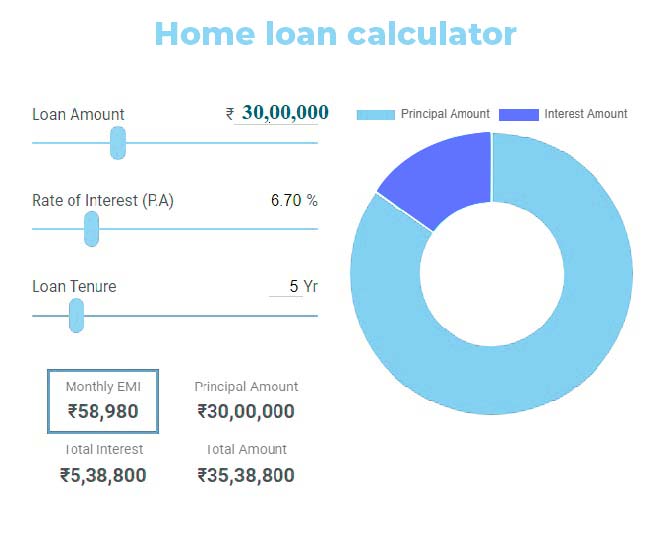
    The tool used by any financial institution is a Home Loan EMI calculator. It considers all the metrics to calculate how much money you’ll be spending every month on your housing loan. This helps you get a clear picture of how the amount was derived, and plan for the future. 

    The below image will give you a clear understanding of the parameters the home loan calculator considers while calculating your home loan EMI.

    Here are 5 easy tips to increase your home loan eligibility

    • Having a co-applicant helps the process

    When you include your spouse or an earning family member as a co-applicant, your credibility increases. You are more likely to pay off the home loan faster with a dual income and avail greater tax benefits.

    • Ensure you have a good credit score

    The credit score is a strong metric for calculating your home loan EMI. Having a higher credit score boosts your eligibility and helps give you a lower EMI. It’s no rocket science how you can do this. All you have to do is pay back your debts on time, consistently. You can’t trick the home loan eligibility calculator with a bad credit score and hope for a less home loan EMI. 

    • Be diligent about repaying any existing debts

    It is only natural for a household to have existing loans or debts. These debts can be existing loans like car loans or monthly installments like washing machine EMI.  

    This helps you not only manage your expenses but also gives a higher credibility. Repaying debts is also a subset of the BNPL mindset that helps you buy costly necessities like a car at an affordable EMI, like a car loan EMI. Remind yourself about the upcoming home loan EMI and that should help!

    • Pick a longer tenure to help you 

    It’s a common misconception that having a longer tenure will be like a longer burden to pay off the home loan. But it’s simple math that a longer tenure means lower interest for you and less risk for the lender. 

    It’s okay to choose a longer tenure. This gives you the assurance that the extra number of years help you count the home loan EMI as a recurring expense and not a burden. But that doesn’t mean you apply this on other payments like a car loan EMI and drag it forward. Pay off what you can, at the right time. 

    • Update about any additional income sources 

    Having an additional source of income adds a lot more weight to upgrade your home loan eligibility criteria, and gives you an affordable home loan EMI.

    It’s a given that any amount of additional flow of money like rental income increases your payment capacity and invariably gives you a better home loan. 

    These above-mentioned factors revolving around your finance management, are simple tips that will help you immensely when you make a big decision like buying a new home, or better, celebrating a beginning.

    But, given the chance to buy your dream home at a low home EMI, wouldn’t you grab the first deal you get? 

    Well, that’s the ‘buy now pay later’ (BNPL) mindset, that’s playing tricks on you.

    And, we want to ensure that you don’t fall prey to this BNPL mindset and choose the wrong loan. Essentially a wrong loan is not a bad choice, it’s not cost-effective considering the long number of years you have to pay off the home loan. 

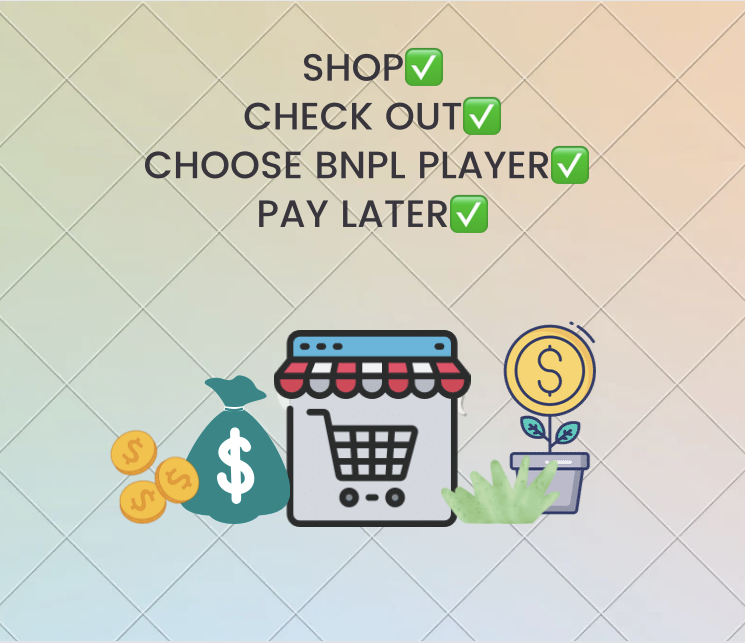
    The ‘BNPL’ concept lets you shop, check out, choose a BNPL player, and then pay later. This allows the BNPL financier to pay on behalf of the customer. It’s as if the customer took a mini-loan for the purchase and can return the amount with zero interest, in most cases. This further affects their credit score too. 

    Quick online purchases let you add items to a cart at the click of a button or a tap on the screen. But, buying a house is a long-term investment that should not be made hastily. 

    We can attest that every rupee saved, is a rupee that can be invested, and grown. 

    Understanding these simple metrics helps you, as the borrower, get the most optimum home loan for you. Furthermore, these tips to improve your home loan eligibility criteria will make the drawn-out home loan EMI payments easier on the pocket. 

    Our Financial experts are both aware of the intricacies of the home loan process, and the current market conditions, to help you make the best choice for you. 

    Buying your own home is not a long-term investment but more importantly a memorable milestone. It’s often not a singular decision, but a collective call taken by a family who wants to own their dream home. 

    The home loan application process, with the home EMI calculation, and on top of that, the monthly payments (with interest) can be mentally taxing. We want your dream home to be more about your dream come true, than a home loan that feels like a burden. 

    With Vittae, you can understand, learn and make an informed decision. We enable you to grow financially and also help take tough financial decisions like these. Our experts will ensure that you don’t follow the herd mentality, but take a call that’s personalized to you, truly. You are only one step away from making the right decision for you, and your dream home.

  • Education Loan: How to apply for it?

    Education Loan: How to apply for it?

    Education Loan is often seen in a negative light, as a burden, but we’re here to change that.

    In today’s competitive world, higher education plays a pivotal role in shaping one’s career. The rising costs of education can often pose a financial challenge for students and their families.

    To bridge this gap between dream colleges and talented students, education loans have emerged as a boon!

    Dreaming of pursuing higher education is an exhilarating experience, filled with possibilities and the promise of a brighter future.

    However, the financial aspect can often become a stumbling block, casting shadows of doubt on those dreams.

    But worry not! In the vast landscape of financial assistance, education loans stand tall as beacons of hope, to realizing your educational dreams.

    Loans are often seen as a financial and emotional burden that one has to carry for years.

    In this blog, we will embark on a journey to demystify the process of applying for an education loan in India, empowering you with the knowledge to unlock a world of opportunities.

    What is a Loan?

    A loan is a type of financial instrument. It allows individuals to borrow money from a lender with the agreement to repay the borrowed amount. The money is repaid with interest, over a specified period.

    Loans are typically of two types:

    • Secured
    • Unsecured

    Secured loans require collateral. The collateral is a “security” for the lender (bank) which they can claim, in case the borrower fails to repay the loan.

    Unsecured loans, on the other hand, do not require collateral. But, these loans may have a higher interest as the lender has a higher risk.

    What is an Education Loan?

    Education loans are also known as student loans or educational loans.

    As the name explains, they are specifically designed to help students and their families finance for higher education expenses.

    These loans are offered by various financial institutions such as banks. They are also offered by non-banking financial companies (NBFCs) such as Bajaj Finance or Muthoot Finance.

    Education loans in India typically cover tuition fees, accommodation expenses, study materials, travel expenses, and other related costs.

    The repayment terms and interest rates vary depending on the lender, loan amount, and other factors.

    Loans often seem daunting, but if they’re planned in advance, they’ll seem like a piece of cake.

    It’s always advisable to have a a Personal Financial Plan that’ll help you achieve your goals and get you on track to Financial Freedom.

    Benefits of Education Loan

    Financial Assistance

    Education loans provide much-needed financial support to students.

    The loan generally helps cover tuition fees, accommodation expenses, study materials, and other educational costs.

    They help students focus on their studies without worrying about the financial burden.

    Flexible Repayment Options

    Education loans offer flexible repayment options, allowing borrowers to repay the loan after completing their education or within a specified moratorium period.

    This relieves immediate financial pressure and provides a buffer to secure a job and establish a stable income source.

    Lower Interest Rates

    Education loans often come with lower interest rates compared to other types of loans. This makes them more affordable for students and their families, reducing the overall financial burden.

    Tax Benefits

    Under Section 80E of the Income Tax Act, borrowers can avail of tax benefits on the interest paid towards their education loans.

    This serves as an additional advantage, reducing the overall cost of borrowing.

    Types of Education Loans

    Undergraduate Education Loans

    These loans are designed to fund the expenses of students pursuing their undergraduate studies, including courses like engineering, medicine, commerce, arts, and sciences.

    Postgraduate Education Loans

    Postgraduate education loans cater to students pursuing higher studies such as master’s degrees, doctoral programs, or specialized courses in India or abroad.

    Vocational Education Loans

    Vocational education loans are tailored for students enrolling in vocational or skill-based courses. These courses enhance their employability in specific industries, such as hotel management, aviation, fashion designing, or culinary arts.

    Study Abroad Loans

    Study abroad loans support students who wish to pursue higher education at renowned international universities.

    These loans cover not only tuition fees but also living expenses, travel costs, and other related expenses.

    How to Apply for an Education Loan in India

    Research and Compare Lenders

    Start by researching different lenders and comparing their loan offerings, interest rates, repayment terms, and additional benefits.

    This will help you choose the most suitable option for your education loan.

    Eligibility Criteria

    Familiarize yourself with the eligibility criteria set by the lenders. Lenders usually consider factors such as academic performance, admission to a recognized institution, course duration, and the financial background of the borrower or co-applicant.

    Required Documents

    Gather the necessary documents required for the loan application process.

    These may include identity proof, address proof, admission letter, mark sheets, income proof of the co-applicant, and other supporting documents requested by the lender.

    Loan Amount Calculation

    Determine the loan amount you require to cover your educational expenses.

    Consider tuition fees, accommodation costs, living expenses, and any other related costs. Remember to borrow only what is necessary, as the loan must be repaid with interest.

    Collateral and Margin

    In India, education loans up to a certain amount do not require collateral. However, for higher loan amounts, lenders may ask for collateral or a third-party guarantor.

    Additionally, some lenders may require a margin, which is a certain percentage of the total loan amount that you must fund yourself.

    Loan Application

    Visit the selected lender’s branch or apply online through their official website. Fill out the loan application form accurately, providing all the required details and attaching the necessary documents.

    Loan Approval and Disbursement

    Once your application is submitted, the lender will evaluate your eligibility and documents. If approved, you will receive a loan offer, outlining the terms and conditions.

    Review the offer carefully and accept it if you are satisfied.

    The loan amount will be disbursed directly to the educational institution or to your bank account, depending on the lender’s policy.

    Repayment Options

    Education loans typically offer a moratorium period, during which you are not required to repay the loan.

    Repayment begins after the moratorium period, usually after the completion of the course or a specific period post-employment.

    Lenders offer various repayment options such as equated monthly installments (EMIs), step-up or step-down EMIs, and flexible repayment plans.

    Choose the option that best suits your financial situation and preferences.

    Loan Repayment

    Ensure timely repayment of your education loan to maintain a good credit history and avoid any penalties or additional charges.

    Set up automatic payment instructions or reminders to avoid missing payments.

    If you face any financial difficulties, contact your lender to discuss possible solutions, such as loan restructuring or an extension of the repayment period.

    Additional Considerations

    While applying for an education loan, it is important to be aware of any additional benefits or incentives offered by the lender.

    Some institutions provide interest rate concessions for female students, meritorious students, or those from economically weaker sections. Explore these opportunities to potentially reduce the financial burden.

    Education Loans in India

    Education loans have witnessed significant growth and popularity in recent years, reflecting the increasing demand for higher education in India.

    According to data from the Indian Banks’ Association (IBA), the number of education loan accounts in India stood at approximately 36 lakh (3.6 million) as of 2021.

    Furthermore, the total outstanding education loan amount disbursed by banks in India amounted to over ₹ 85,000 crores (approximately $11.4 billion) as of 2021.

    This substantial figure indicates the willingness of financial institutions to provide financial aid to deserving students and highlights the trust placed in education loans as an investment in the future.

    In Summary

    Education loans have become an indispensable tool in fulfilling educational aspirations for students in India.

    The benefits they offer, including financial assistance, flexible repayment options, lower interest rates, and tax benefits, make them an attractive choice for those seeking to pursue higher education.

    Choosing the right education loan and managing its repayment effectively will not only support your educational journey but also establish a solid financial foundation for your future.

    Education is an investment in oneself, and with the right financial assistance, you can unlock a world of opportunities and shape a successful career.

    With various types of education loans available, students can choose a loan that aligns with their specific educational goals and financial needs.

    As statistics reflect the increasing popularity and uptake of education loans in India, it is evident that more students are availing themselves of this financial assistance. You, too, can unlock opportunities and shape a successful career.

    By understanding the application process, exploring different loan options, and gathering the required documentation, aspiring students can navigate the education loan landscape effectively.

    With the right education loan, the door to higher education opens wide, empowering students to achieve their academic dreams and build a brighter future.

  • Alert! Buy Now Pay Later takes over GEN Z 

    Alert! Buy Now Pay Later takes over GEN Z 

     In the early days, people could buy what they wanted only if they had the money for it. Then, consumerism was restricted to just the wealthy. As the world evolved, efforts were made to widen the consumer base by including those who may not have immediate cash but do have the ability or income to pay for the goods and services over time. This concept gave way to consumer loans (car loans, home loans, and an equated monthly installment scheme for purchasing a mobile phone or a refrigerator or a washing machine and so on), hire-purchase, and even credit cards. This gave a huge fillip to consumerism. 

    Now the world is moving a step further. Loans are being offered to people without a credit history and a near zero interest rate. Gen Z is taking to it like fish to the water. While this is expected to create a huge demand for goods and services and help revive the global economy rapidly, many worry that it is the latest financial pied-piper – one that will lead youngsters into financial ruin. Welcome to the world of ‘Buy Now Pay Later’ financing. 

    How BNPL works? In simple words for you: 

    When a customer goes to buy a product and if the retailer offers a BNPL option, he/she can opt for it. The BNPL financier will then pay the retailer and offer the customer a repayment schedule based on his/her needs. If the customer repays on time, she will incur no interest charges. But if they default, interest or penalties will be charged and BNPL companies make money with it.

    Benefits of BNPL 

    BNPL offers access to credit for people outside the formal banking system. According to recent data, fifty percent of all BNPL customers are first-time borrowers (largely GenZ). Low-interest rates, flexible repayment schedules, and the need for credit history have made it an interesting and attractive instrument

    Disadvantages of pay later apps 

    Not considering a person’s credit history and his other liabilities makes BNPL loans risky. While the ticket size of a BNPL is low a customer can take multiple loans from various financiers. This will increase liability significantly and affect his ability to repay.

    This could cause a sharp jump in non-performing assets (NPAs). There are estimates which show that defaults in BNPL loans are in double digits. Apart from the risk to the financial system, BNPL also risks corrupting the culture. Indians, unlike say Americans, are careful when it comes to borrowing to meet their needs.

     An easy and low-cost borrowing option such as BNPL will force Indians to borrow more than they would have done otherwise leaving them massively leveraged and in a debt trap. This is particularly true with GenZ which is a lot more aspirational. Even without BNPL, India’s household debt to GDP has grown from thirty percent in 2017-18 to 37 percent in 2019-20. In the case of the US, this figure is 77 percent. 

    Other disadvantages of BNPL services includes impact on your credit scores. The payments defaults and missed payments are reported to the credit bureaus. On top of that, it is difficult to get a refund if the product was defective or did not arrive.

    Save now, spend later

    Saving enough money to invest is itself a challenge. They do not believe in the adage `Money saved is money earned’. Gen Z is yet to understand that by saving a percentage of their salary, they can build for the future. But most youngsters spend as if there is no tomorrow. They even borrow and spend or use `buy now to pay later’ financial products. Inculcating savings among today’s youngsters is critical.

    For some who manage to save, they still end up in financial stress as they make wrong investments due to lack of knowledge. For instance, somebody who is young and is yet to build a significant savings gets lured by the stock market without realizing the risks involved. That person invariably ends up losing his investment. There are times when people end up making wrong investments without understanding their risk appetite. This results in their investments getting locked up for a long time subjecting them to needless pressure on the money front.

    BNPL is catching up- latest stats!

    It is the hottest thing happening in the fintech space today. The proof is the fact that billions of dollars are being injected into the startups operating in this sector. According to GlobalData, the BNPL industry is expected to reach a size of 166 billion dollars globally by 2023. In India, the industry is set to grow tenfold in the next four years from 3.5 billion dollars to 50 billion dollars. In Fact, in the last two years, BNPL has seen a 45x growth. According to media reports, only 70 million people have access to credit today which means 93 percent of India is outside the formal banking channel. The fact that it is easy to apply and can be done digitally makes BNPL the most sought after instrument when it comes to financing, especially among the youngsters.

    BNPL Vs Credit Card (We heard you!) 

    The biggest advantage of BNPL is that it gives you immediate access to credit without any questions being asked. One does not need to have a proper credit history (something GenZ typically lacks) to avail of BNPL facilities. In the case of a credit card, one needs to first apply, get the necessary approval before the card is issued. In the case of BNPL, there is no annual or joining fee. An important differentiator of BNPL is that the customer pays zero or very little interest (as long as the amount is repaid on time) unlike in the case of credit cards where the interest rates are between 2 to 4 percent per month. 

    In BNPL transactions, ticket sizes are typically low (maximum of Rs 1 lakh) unlike credit cards but they offer significant flexibility when it comes to repayment. 

    Major BNPL Players in India

    Some of the major fintech companies that offer BNPL options are

    1.  Simple
    2. Zest Money
    3. LazyPay
    4. Flexpay
    5. Payton postpaid
    6. Amazon pay later
    7. ePayLater
    8. flipkart pay later

    Even traditional banks are entering this business. For instance, Axis Bank bought Freecharge from e-commerce firm snapdeal. This includes HDFC bank’s FlexiPay and ICICI bank’s ICICI PayLater. 

    BNPL is also spreading to other sectors

    BNPL as a concept is not only growing rapidly in financing but is also spreading to other sectors. Travel companies have started “Fly Now PayLater” schemes to attract travelers. Insurance companies have also started implementing this instrument to get cash-starved customers to pay their premiums. 

    While BNPL as a financial option has its advantages but it needs to be regulated effectively. Customers (mostly Gen Z and first-time borrowers) have to be educated properly on amazon pay later and such similar apps, to ensure that this concept of payment does not fail and cause a crisis to the banking system. It is also important for the customers to know the problems that come with these Shop now Pay later apps that include the delinquency rate as well. Having said that, if you are disorganized with your finances, BNPL services are not for you!