It’s finally the weekend, and you’re relaxing at home. You added a new pair of branded shoes to your online cart. But, you’re too lazy to grab your wallet and opt for the BNPL payment instead.
We’ve all been there, done that.
You’ve chosen the easier way out – The buy now, pay later method. The question is, would you pick your credit card to pay instead?
Let’s change the scenario.
It’s the end of the month and the weekend. You’re staring at your computer screen trying to check if you’ve got the budget for a last-minute road trip. Turns out you do!
You’re about to call your friend to confirm when you get a mobile notification. It’s an alert message from the BNPL company that you are delayed in your payment. You have to pay back the money plus interest to avoid an extra penalty. Seems like the trip might not happen after all.
It’s a known fact that if you had paid via cash or a debit card, you wouldn’t have to owe any money. But, would the scenario have been different if you had chosen a credit card instead of BNPL?
Let’s dig a little deeper and understand what BNPL and Credit Cards are. We’ll also elaborate on their pros and cons, and help you decide which is the better option for you.
What is Buy Now Pay Later?
Buy Now Pay Later (BNPL) is a financial service that allows customers to purchase products and services upfront and pay for them later in installments. BNPL literally is buying a product now, and promising to pay later.
It might seem like a method where you get to buy something for 0 rupees at the time of purchase. But in reality, you’re taking a tiny BNPL loan to own this product and owe money in the near future.
In India, BNPL services have gained popularity in recent years, particularly among younger consumers who are looking for flexible payment options.
There are several BNPL service providers in India, including Simpl, LazyPay, and ZestMoney, among others. These BNPL apps are gaining more popularity by the day. These services are usually integrated with e-commerce platforms and allow customers to make purchases on credit.
When using a BNPL service, customers can choose to pay for their purchase in installments over a period of time, typically ranging from 3 to 12 months.
The exact terms and conditions of the installment plan will vary depending on the service provider and the amount of the purchase.
Some BNPL services may also charge interest on the installment payments, while others offer interest-free options.
Additionally, customers may be required to undergo a credit check before they are approved for a BNPL plan. A BNPL service in India provides consumers with a convenient and flexible way to make purchases and manage their finances.
However, it is important for customers to carefully read and understand the terms and conditions of the BNPL service before using it.

BNPL Process
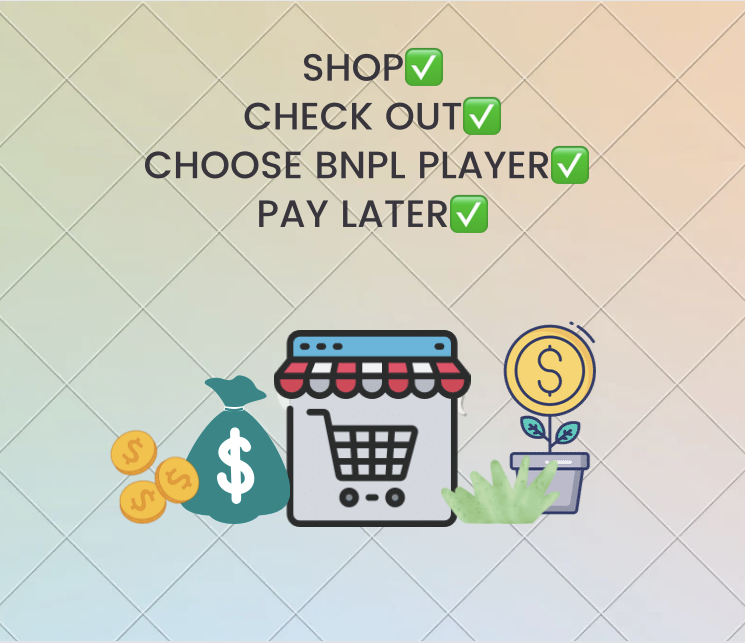
- Pick any item and add it to your online cart.
- When you check out, choose the buy now, pay later option.
- The BNPL app/service will ask you to pay a small down payment (usually 25%) if you’re eligible.
- You can then pay the pending amount in installments.
- The amount can also get deducted directly from your bank account, credit, or debit card.
Example of BNPL
Let us look at a buy now, pay later example to understand the concept.
Ravi is a chef. He wants to upgrade his kitchen with the latest appliances but doesn’t have enough funds.
He found some affordable appliances online. So, he opted to buy now and pay later at the checkout point.
He was able to purchase the ₹80,000 convection oven, after browsing through BNPL apps. He had to pay a down payment of ₹20,000 to the bnpl lenders. Furthermore, he needs to pay the rest of the ₹60,000 within 30–45 days.
If he fails to pay the amount of time, Ravi might be charged a late fee.
The below image is a bar graph showing how 4 different generations of people use the BNPL method. It also predicts the percentage of users in 2025. It can be seen how almost half of the youngest sector of the population, Gen Z, is likely to use BNPL in 2025.

How does the Credit Card work?
Long before UPI (Unified Payments Interface) options like Gpay or Paytm became popular, hard cash in our wallets was replaced by plastic money. Though plastic money can mean debit or credit card, today we’ll discuss the latter.
A credit card is a plastic card issued by a financial institution, such as a bank or a credit union. In simple words, the credit card allows the cardholder to borrow money on credit.
The cardholder can use the card to make purchases or withdraw cash up to a certain limit, known as the credit limit. When a credit card is used to make a purchase, the cardholder is essentially borrowing money from the financial institution (bank) that issued the card.
The cardholder is expected to pay back the borrowed amount, usually with interest, within a certain period of time, generally at the end of each month.
If the cardholder fails to make the required payments on time, they may be charged additional fees and their credit score may be negatively affected. A credit score determines how likely you are to pay a loan back on time, based on information from your credit reports.
Though a consumer might face extra pressure to pay up these “extra” fees, more and more people are opting the credit card. Below is a comparison of credit card and debit card transactions in crores.

It can be seen how online credit card payments are almost 3 times more than online debit card payments. Ease of payment is the main cause of this. However, we’d like to remind that the process isn’t all risk-free.
Credit cards work by establishing a revolving line of credit. This means the cardholder must make payments on time and stay within the credit limit. This is a key factor that allows them to continue to borrow money on credit.
The interest rate charged on credit card balances can vary depending on factors such as the cardholder’s credit score and the type of card they have.
Credit cards also often come with additional features and benefits. There are rewards programs that offer cashback or points for purchases, travel insurance, and fraud protection.
However, it’s important for cardholders to use credit cards responsibly and only borrow what they can afford to pay back to avoid accumulating debt and damaging their credit score.
Credit Cards have become immensely popular with increasing lifestyle choices. Today, even a fresh graduate wants to buy a high-end mobile, even if it is on EMI. Tools like credit cards help them get these products with ease.
The below image shows the number of credit cards in use in India. The number has doubled from 29 million in 2017 to 62 million in 2021.

According to RBI data, in March 2021, India with a population of 1.3 billion had 62 million credit cards active. This means five cards per every 100 people. Let’s also look at how to use this popular payment mode.
How to use a credit card
- Choose the right credit card
- Verify your credit limit:
- Make a purchase
- Verify the amount
- Pay your credit card bill
Example of Credit Card Use:
Sneha is at a grocery store and wants to buy groceries worth ₹4000. This is how she would use her credit card:
- Choose the right credit card: Sneha has a XYZ credit card that offers 1% cashback on all purchases.
- Verify credit limit: She checks that her credit limit is ₹50,000.
- Make a purchase: She shows her card to the cashier and makes the payment.
- Verify the amount: She confirms that the amount is credited to the store ₹4000 only
- Pay credit card bill: At the end of the billing cycle, Sneha will receive a statement that she owes ₹4000 on her credit card.
She can pay the bill online through the credit card company’s website. Since her card had a 1% cashback, she will earn ₹40 as a reward.
Buy Now, Pay Later vs. Credit Cards: Key Differences
BNPL (Buy Now Pay Later) and credit cards are two different payment methods that offer consumers different advantages and disadvantages.
Buy Now Pay Later (BNPL) is a payment method that allows customers to purchase goods or services and pay for them in installments over a period of time.
Credit cards, on the other hand, are a payment method that allows customers to borrow money from a lender (usually a bank). Credit cards also charge interest on any outstanding balances, which can vary depending on the card and the individual’s credit score.
10 major differences between BNPL & Credit Card
Payment Terms
The most significant difference between buy now, pay later (BNPL) and credit cards is the payment terms. BNPL allows users to make purchases and delay payments for a set period. Whereas credit cards require immediate payment or carry over balances with interest charges.
Credit Checks
BNPL services do not require a credit check to use, whereas credit card companies often require a credit check to determine if an applicant qualifies for a card.
Interest Rates
Credit cards typically charge interest rates on balances carried over from month to month. BNPL services usually offer interest-free repayment options.
Repayment Period
BNPL services usually offer a shorter repayment period than credit cards. It often ranges from a few weeks to a few months, whereas credit cards allow for longer repayment periods, depending on the amount owed.
Fees
Credit cards often charge fees such as annual fees, late payment fees, and cash advance fees. BNPL services may charge fees for late payments or missed payments
Credit Score Impact
Using a BNPL service does not typically impact a user’s credit score. Whereas applying for and using a credit card can have an impact on credit score.
Credit Limit
Credit cards usually come with a credit limit that determines how much a user can borrow. BNPL services often offer a fixed amount of credit for each purchase.
Rewards and Perks
Credit cards often come with rewards and perks such as cashback, points, or airline miles. BNPL services usually do not offer such perks or incentives.
Merchant Acceptance
Credit cards are widely accepted by merchants. BNPL services may have limited merchant acceptance.
Purchase Amount
BNPL services are typically used for smaller purchases. Credit cards are used for larger purchases or to manage ongoing expenses.
Overall, both BNPL and credit cards can be useful payment methods, depending on the customer’s financial situation and spending habits. We suggest you consider your individual needs and preferences when deciding which payment method to use.
Is there a minimum age for BNPL?
Yes, there is a minimum age limit for BNPL (Buy Now Pay Later) services, which is 18 years old. The specific age limit can vary depending on the provider and the country, but it is usually 18 years old.
This is because individuals under the age of 18 are considered minors and may not have the legal capacity to enter financial contracts.
Additionally, BNPL services often require a credit check or access to financial information, which may not be available to minors.
It’s always important to read and understand the terms and conditions before using any financial service, including BNPL.
Is BNPL replacing the Credit Card?
It’s unlikely that Buy Now Pay Later (BNPL) options will completely replace credit cards. Both payment methods serve different purposes and have their own advantages and disadvantages.
While BNPL services have gained popularity in recent years, particularly among younger consumers, credit cards are still widely used and accepted as a form of payment. In fact, many BNPL services require users to link a credit or debit card to their account for payment processing.
Ultimately, it’s possible that BNPL services could become a popular alternative to credit cards. This applies to certain types of purchases or to consumers who prefer to avoid debt or interest charges. However, it’s unlikely that they will replace credit cards, which offer more flexibility and benefits for many users.
In a nutshell
Whether you’re planning your personal finance or figuring out how you can afford a costly product, your spending habits are a deciding factor if you choose BNPL or Credit Card.
At Vittae, we want you to make an informed choice about your money decisions. Now, that you’re aware of both the pros and cons of BNPL and credit cards, you have to re-think why you choose a specific payment method.
BNPL would be a great fit for those who want to avoid interest and are regular in paying back on time. But you also need to be cautious to not pile up BNPL loans.
Credit cards can be a nice option if you have a regular income to pay off the credit card bill every month. You can also build a good credit score that might help with bigger loans. You are also at risk of paying extra (interest) if you fail to pay on time.
Financial Experts at Vittae can help guide you in making the right money decisions. Unlock your financial freedom today.

 How BNPL works? In simple words for you: