Tag: mutual fund

  • 5 Life Lessons Every Software Engineer Learns the Hard Way (But You Don’t Have To)

    Intro: Code, Coffee, and the Curveballs

    You started with curiosity. A passion for building. Maybe you were the “tech guy” in your circle, or the quiet one who could fix anything.

    Fast forward to now: deadlines, burnout, Slack pings at 10pm, and a feeling that you’re not “growing fast enough.”

    Sound familiar?

    You’re not alone. Engineering is a high-growth, high-burn game. And with experience comes a few truths that nobody teaches in tutorials.

    Here are 5 life lessons most software engineers only learn after years in the trenches—with real examples, data, and emotional honesty.

    Lesson 1: Tech Changes Fast. But Fundamentals Stay.

    In 2010, PHP was everywhere. By 2016, React ruled. Now, it’s AI frameworks, Svelte, Astro, and edge computing.

    The cycle never stops.

    But what stays: problem-solving ability, clean architecture, and core CS concepts.

    Real Data:

    • A Stack Overflow 2023 Developer Survey found that engineers with strong CS fundamentals reported 22% higher salaries than peers who jumped tools without depth.

    Tip:

    • Learn one backend language deeply (Python, Go, etc.)
    • Master SQL. Understand system design.
    • Don’t just write code—understand why it works.

    Lesson 2: Burnout Is Not a Badge of Honor

    Late nights. Hero fixes. Weekend deployments.

    Sure, it feels good to be the go-to problem solver. Until you’re fried. Disconnected. Questioning everything.

    Real Talk:

    • A GitHub 2023 survey found 48% of devs reported burnout, with top reasons being unclear requirements, overwork, and lack of impact.

    Relatable Example:

    • Priya, a 30-year-old full-stack developer, quit her ₹35L job in Bengaluru to take a 6-month sabbatical after a mental breakdown. She later joined a startup with fewer hours, less pay—but a much happier life.

    What Works:

    • Use your leaves.
    • Push back on unreasonable timelines.
    • Therapy is normal. Meditation helps. Hobbies are essential.

    Lesson 3: Communication Beats Cleverness

    You wrote a brilliant piece of code. But if nobody can read it, maintain it, or understand why it exists—it’s not brilliant.

    Truth: The best engineers are teachers. They unblock teammates, document well, and align with product goals.

    Data Point:

    • Google’s internal study “Project Aristotle” showed that psychological safety and communication matter more than sheer IQ for high-performing teams.

    Tips:

    • Start writing better PR descriptions.
    • Talk to the QA team early.
    • Don’t be the silent genius. Be the helpful peer.

    Lesson 4: You Are Not Your Job Title

    Staff engineer. Principal developer. Lead architect.

    Sounds great. But titles shift. Startups fail. Teams reorg. One day you’re “senior,” next day you’re laid off.

    2023 Reality:

    • Amazon, Meta, Google all laid off senior engineers. Many of them had no backup plan.

    Mindset Shift:

    • Build your personal brand.
    • Grow your network on LinkedIn or Twitter.
    • Stay humble. Stay curious.

    Your value is more than your org chart.

    Lesson 5: Money Works When You Sleep (If You Let It)

    Most engineers start earning well young. But many never build wealth.

    Example:

    • Ankur, 26, started a ₹15K/month SIP in index funds in 2019. By 2024, he has ₹13.2L in investments. Meanwhile, his friend Rahul kept money in savings—₹9.1L.

    Difference: ₹4L+, and that’s just the beginning.

    Mini-Checklist:

    • Emergency fund (3-6 months of expenses)
    • Term life insurance
    • SIP in index or hybrid funds
    • Optional: ESOP strategy, RSUs, or real estate

    Build optionality. Buy time. That’s real freedom.

    Closing: From Coding to Crafting a Life

    Your engineering career isn’t just about writing better code.

    It’s about building a better life that includes growth, peace, clarity, and choice.

    Learn the lessons now, so you don’t have to learn them the hard way later.

    Keep building. Just don’t forget who you’re building it for.
  • Basics of Mutual Funds | How to start investing in Mutual Funds?

    Basics of Mutual Funds | How to start investing in Mutual Funds?

    What is a Mutual Fund?

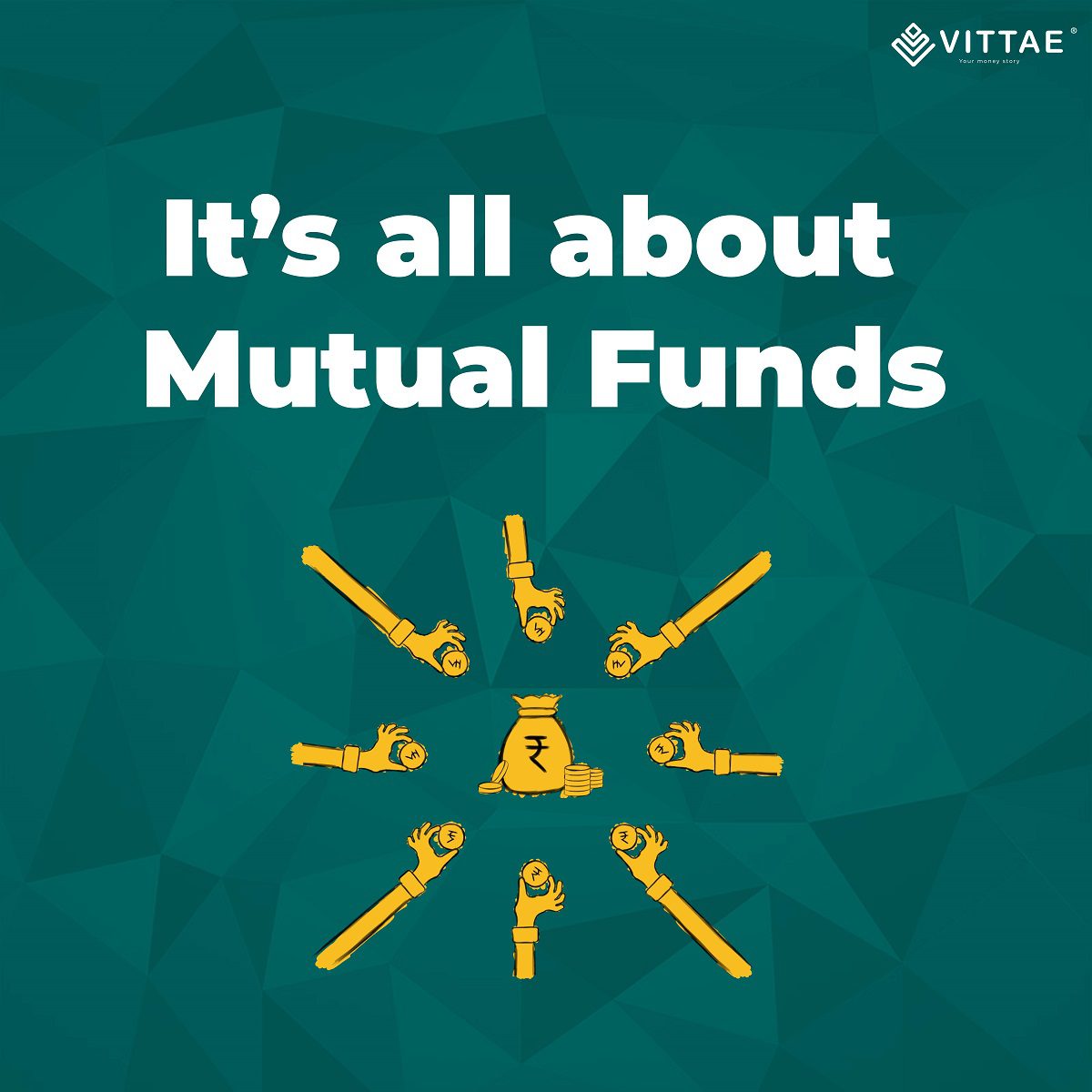
    A Mutual fund is an investment house where investors come together to pool their funds. The fund manager then invests the pooled-in funds in equities, bonds, real estate, gold, and other asset classes to generate higher returns. The gains/losses incurred from such investments are mutually divided among the investors in the ratio of their investments. This is also why it is called ‘Mutual’. Let me explain the basics of mutual fund with an example.

    For instance, you and your friend invest INR 2000 and INR 1000 in a mutual fund. And the gains obtained from the total investment after a month is INR 1500. This is split in the ratio of their investments– 2:1. Which means, you will end up with INR 3000 and your friend with INR 1500 after a month. This idea, when replicated at a larger scale with thousands of investors coming together, is termed a mutual fund.

    Why Mutual Funds?

    • Managed by Experts

    The whole job of fund managers is to safeguard the wealth of investors. Your portfolio is managed by these experts who conduct extensive research and due diligence on buying & selling of stocks. These seasoned finance experts who are skilled in managing investments, decide where and when to invest in equities, debt, gold, and other asset classes. 

    • Higher Returns

    As the adage goes “Don’t put all your eggs in one basket”, mutual funds diversify their investments into different financial instruments. This strategy of diversification has played a vital role in driving the popularity of mutual funds. The fund manager spreads your investment across a cross-section of stocks from companies of different industries. Hence, when one industry doesn’t perform well, the gains from other sectors can offset the losses from the adversely performing sector.

    • SEBI-Regulated

    Mutual funds are regulated by Securities and Exchange Board of India (SEBI), whose main objective is to protect the interests of investors, promote their development and regulate the securities market. It is also SEBI that approves an Asset Management Company to manage funds by investing across industries.

    • Affordability

    You can start investing in mutual funds with as low as INR 100.

    • Liquidity

    Liquidity implies the ease of converting an investment into cash. Liquidity is higher in Mutual Funds. This means, you can sell your investments and pull out the money anytime.

    Categories of Mutual Funds

    Mutual funds are categorized based on the asset class they invest in. Here are the categories:

    Equity Mutual funds

    Equity mutual funds invest a major chunk of their funds in stocks. It is best suited for investors seeking long-term growth as it could be volatile in the short-term. High risk, higher returns. Further, Equity Mutual Funds are categorized into different categories based on the market capitalization of the stocks they invest in. 

    *invests across stocks of different sectors and segments of the market.

    Debt Mutual funds

    Debt mutual funds invest their assets in corporate or government securities like T-bills, Corporate bonds, commercial papers, government securities, and other market securities. This is a lower-risk asset when compared to Equity. Low risk, low returns. They are classified into different categories based on the duration of their investment period. 

    Hybrid Mutual Funds

    Hybrid Funds offer you the best of both worlds. A mix of Equity & Debt. High returns from Equity when the markets perform well and regular income from Debt to cushion the tailwinds when markets go south. The fund manager also invests in Gold & international equities, depending on the investment objective. Since your portfolio becomes diversified, the risk of losing money decreases.

    How to Invest in Mutual Funds?

    • SIP

    Systematic Investment Plan (SIP) is a mode of investment that offers you the option to invest a fixed sum at regular intervals. Instilling discipline in investors, it allows investors to make regular & automated investments periodically. 

    • Lumpsum

    A lump sum mode of investment is when investors make a bulk one-time investment. Unlike SIPs, this is invested in one-go!

    If you’re someone with little to no time to research & identify the right stocks then mutual funds are a good option. You can consult a financial advisor to choose the right mutual fund for you.

  • How to pick the right Mutual Fund for you in 2022? 

    How to pick the right Mutual Fund for you in 2022? 

    Mutual funds have been proven to be a very successful way to begin one’s investment journey. As an investor, it’s the best investment avenue to begin your journey without having to know much about equity markets, indexes or even how the economy is performing.

    But as a new working individual I personally struggled with picking the right fund. And not surprisingly I, like many of you, would google “Best mutual funds for highest returns”. But is that really the right way to go about a personalized suggestive option?

    Of course not!

    But don’t worry, you don’t have to go through the same struggle I did.

    How to select right mutual funds?

    Investments are not a ‘One size fits all’ type of assets. They are supposed to be personalized based on your expectations, needs and comfort levels. Hence, these are some of the points that you should keep in mind while selecting a suitable fund for yourself:

    Right Mutual fund in 2022

    1. Your Personal Objective – Be mindful of what you are trying to achieve with your investment. Whether it’s a foreseeable major expense like your wedding, a future trip abroad, an emergency fund, your child’s education, your retirement, or even something for your family, make sure you have a clear reason for this investment.

    This objective will help you decide 2 things

    a) A timeline – What your investment’s duration should be.

    b) How risky/ risk-free should you be in order to choose the fund.

    2. Risk Appetite- Risk is a very interesting point here. People between the ages of 22 to 28 are generally ‘risk seekers’. To state the obvious, these are people who in general have lesser debt, lower obligations and have the bandwidth to take on additional risk.

    There after funds that contribute to over 85 to 90% of the funds AUM* to just equity. This makes the fund riskier but it is able to generate higher returns too. (Remember, an investor always looks for additional compensation when he takes more risk. Hence, a high risk to high reward ratio is seen amongst different funds)

    Now, for people over the age of 29, Risk becomes a critical factor. People in this age bracket are generally more cautious about their finances because of responsibilities, debt and other things.For them a fund that has a good balance of both Equity and Debt is preferrable. 20 – 35% of AUM may be dedicated to Debt funds making the fund safer & more stable.

    3. A Suitable Fund – Now that you have a goal in mind with the required time line and risk appetite, look for funds that help you reach the required returns percentage. 

    How do you do that? Well, an easy way is to compare the returns percentage that the fund has made over the required tenure (for eg say 3 years) to the returns made by the Indian Indexes such as Nifty & Sensex. If your fund beats or equates that return percentage, you are good to go. 

    For Example – My 3-year goal is to buy a car for  X amount of rupees. My money has to grow at a continuous interest rate of 15%. I would look for a fund that has been consistently performing well and one that gives me a return of at least 20% CAGR*.

    Types of Funds:

    • Equity Schemes – These are funds that are high risk and have a high return potential. These are ideal for investors in their prime earning stage, looking to build a portfolio with superior returns in the long term.
    • Money Market Funds – These are funds that invest in short term debt instruments, giving a sustainable and stable return. These types of funds are suitable for investors with low risk who are looking to park their surplus over a short term.
    • Fixed Income or Debt Funds – These funds would have majority of their investment in debt instruments such as government securities (G-sec), bonds and debentures. Ideal for low-risk investors who are looking for a steady income.
    • Balanced and Hybrid Funds – Funds that have a good mix of both Equity and debt. The allocation of the AUM would keep changing based on how the sectors are performing in the current market sentiment. Since it’s a combination, the returns would be moderate to high depending on the allocation.

    So do your research to identify the right mutual funds that match with your expectations, needs and comfort levels. 

    If you find this whole process overwhelming, you can always hire an Advisor who can help you with this!

    Glossary

    AUM – Asset Under Management means the total value of the fund being invested by the fund house.

    CAGR – Compounded annual growth rate is the annualized average rate of revenue growth between two given years, assuming growth takes place at an exponentially compounded rate.

    NAV – The performance of a particular scheme of a mutual fund is denoted by NAV (Net asset value). NAV is the market value of securities held by the scheme.